Best Stories & Legends of Mcleodganj — Tales from the Mountains
Legends of McLeodganj: Resilience Above the Clouds
McLeodganj, the upper town of Dharamshala at 1,770m, has been transformed by the intersection of two powerful narratives — the ancient Gaddi shepherd culture and the Tibetan exile community's incredible story of survival. Together, they've created one of India's most culturally rich enclaves.
The Dalai Lama's Escape: A Story of Courage
The defining story of McLeodganj begins in March 1959, when the 23-year-old 14th Dalai Lama fled Lhasa disguised as a soldier. For two weeks, he traveled through treacherous Himalayan passes with a small entourage, evading Chinese troops. On March 31, he crossed into India at Tawang, Arunachal Pradesh. Prime Minister Nehru offered Dharamshala as the seat of the Tibetan government-in-exile. When the Dalai Lama first arrived in McLeodganj, it was a crumbling colonial hill station. Today, it's the spiritual capital of Tibetan Buddhism worldwide.
The Namgyal Monastery
Originally founded in the 16th century in Lhasa, the Namgyal Monastery was re-established in McLeodganj and is now the personal monastery of the Dalai Lama. Monks here practice a unique form of Tantric Buddhism, creating elaborate sand mandalas that take weeks to design and are then ceremonially destroyed — a powerful meditation on impermanence. Visitors who witness the mandala creation and destruction often describe it as one of the most profound spiritual experiences of their lives.
The Gaddi Shepherd's Prayer Flags
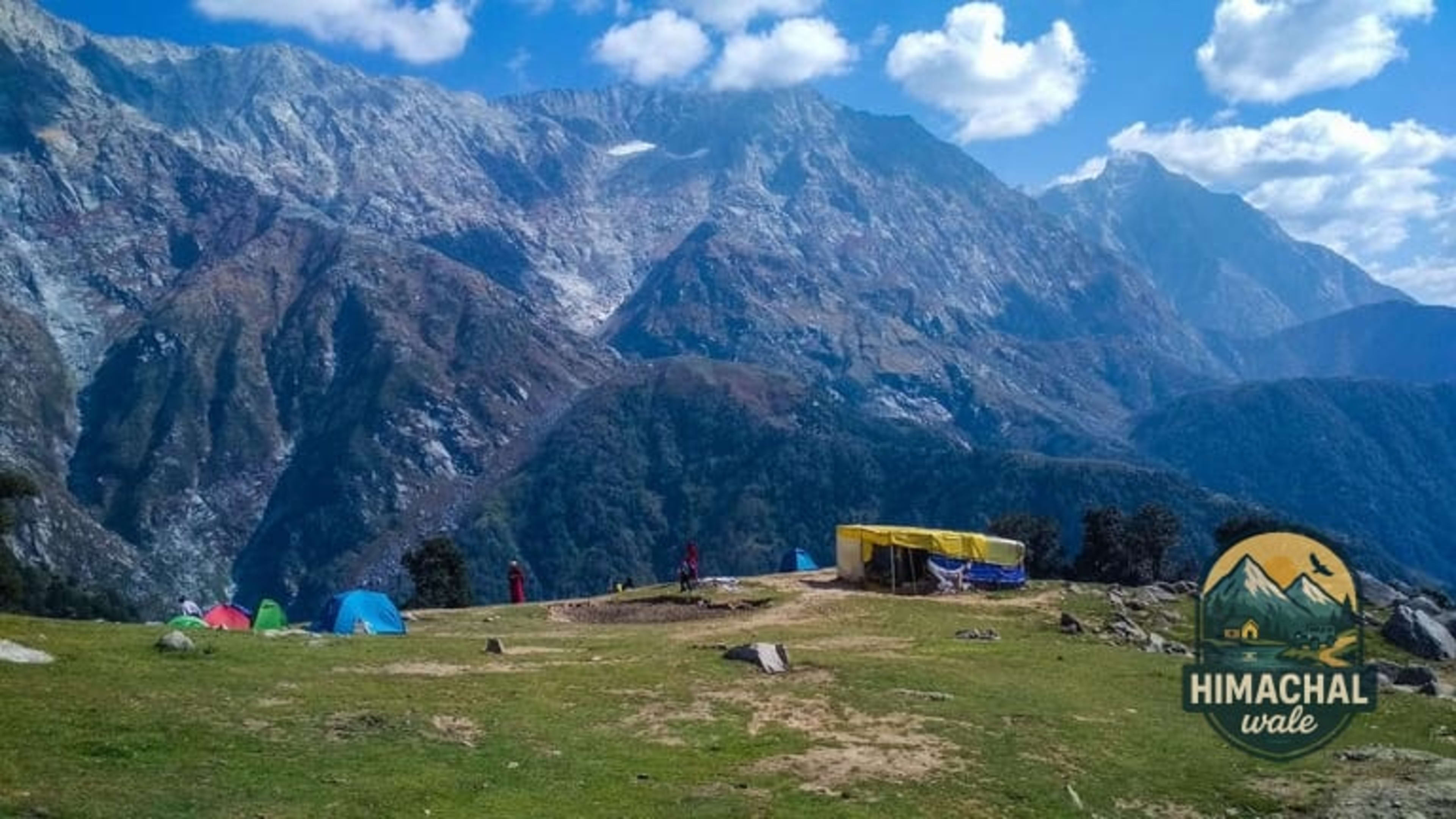
Long before the Tibetans arrived, McLeodganj was part of the Gaddi shepherds' ancient migration route. The Gaddis believe that the Triund meadow (2,850m) above McLeodganj is where Lord Shiva rests during his journeys across the Himalayas. They hang prayer flags along the trail — these pre-date the Tibetan prayer flags and are dedicated to Hindu deities. Today, both Hindu and Buddhist flags flutter together on the Triund trail, creating a beautiful visual metaphor for McLeodganj's multicultural identity.
The 1905 Earthquake and Rebirth
The devastating 1905 Kangra earthquake (7.8 magnitude) nearly destroyed McLeodganj. The British garrison suffered heavily, and St. John in the Wilderness church — where Lord Elgin, a former Viceroy, is buried — was severely damaged. The earthquake effectively ended McLeodganj's colonial era, leaving it largely abandoned until the Tibetans breathed new life into it half a century later. The ruins of the old British cantonment can still be spotted among the newer Tibetan buildings.
Self-Immolation Memorials
Perhaps the most haunting stories of McLeodganj are recent — the self-immolations of Tibetan monks and nuns protesting Chinese occupation. Since 2009, over 150 Tibetans have set themselves on fire. McLeodganj's Tsuglagkhang Complex includes a memorial to these individuals, and their photographs line the walls of the Tibet Museum. These are not ancient legends but living stories of extraordinary sacrifice that continue to shape the community's identity.
*Spiritual experience: Attend a teaching by the Dalai Lama (check schedule at dalailama.com), walk the kora (circumambulation) around the Tsuglagkhang, and visit the Tibet Museum — together they tell the complete story of Tibetan exile and resilience.*


