
Great Himalayan National Park: A UNESCO Trek You Should Know About
1,171 Square Kilometers of Untouched Himalaya
While tourists crowd Manali and Shimla, one of Asia's most important biodiversity hotspots sits quietly in the Kullu district, barely 3 hours from Manali. The Great Himalayan National Park (GHNP) was inscribed as a UNESCO World Heritage Site in 2014 for its outstanding universal value as a habitat for endangered Himalayan wildlife.
The park protects the upper watersheds of four rivers — Jiwa Nal, Sainj, Tirthan, and Parvati — encompassing dense forests, alpine meadows, glacial lakes, and peaks reaching over 5,800m. It's home to the Western Tragopan (one of the world's rarest pheasants), the Himalayan brown bear, the snow leopard, the Himalayan tahr, and over 375 species of fauna.
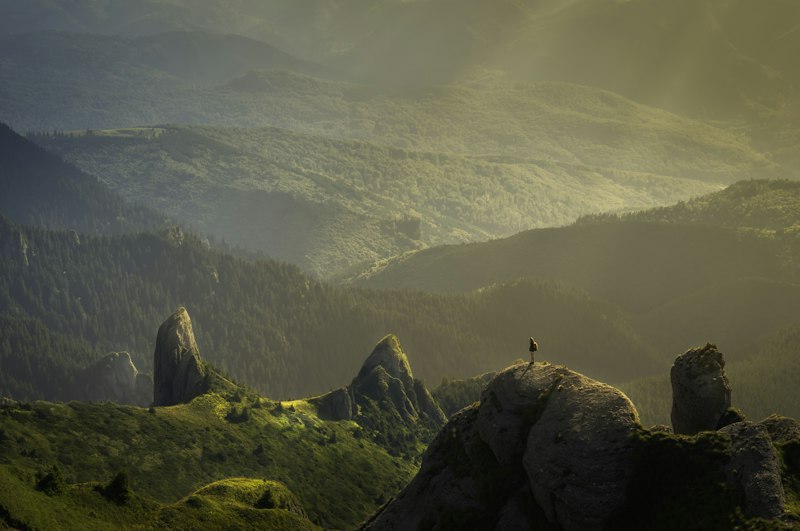
The Tirthan Valley — Your Gateway
Most GHNP treks start from the Tirthan Valley, a stunning valley that serves as the buffer zone and main access point. The valley town of Banjar is the base, with the park's main entry point at Gushaini.
Tirthan Valley itself is worth a few days:
The Treks
Tirthan Valley Trek (3-4 days)
Difficulty: Moderate | Best season: May–June, September–October
The most popular GHNP trek follows the Tirthan River into the park's core zone. You'll trek through dense broadleaf forests of oak, maple, and horse chestnut, cross alpine meadows, and camp beside the river. Wildlife sightings are common — Himalayan black bear, musk deer, and dozens of bird species.
Sainj Valley Trek (4-5 days)
Difficulty: Moderate to Hard | Best season: May–October
A longer trail through the Sainj Valley, reaching the spectacular glacial lake of Raktisar at 3,900m. Less visited than Tirthan, with a real sense of wilderness.
Permits & Regulations
Conservation Success Story
GHNP is a rare example of a national park that actively benefits local communities. The park's "ecozone" model provides alternative livelihoods — guiding, homestays, vermicomposting, women's handicraft cooperatives — that have reduced poaching and forest degradation.
The Western Tragopan population has stabilized, snow leopard sightings have increased, and the park's forests are among the healthiest in the western Himalayas. Tourism revenue directly funds these conservation efforts through the permit system.


