
Kinnaur Valley Road Trip: India's Most Dramatic Highway
The Road That Changed Indian Travel
National Highway 5 — the old Hindustan-Tibet road — cuts through the Kinnaur district of Himachal Pradesh like a scar across the mountains. Blasted through cliff faces, threaded through tunnels that drip with glacial meltwater, and frequently reduced to single-lane stretches with 1,000-foot drops, this is the most dramatic highway in India.
But the road is just the beginning. Kinnaur itself is a world apart — a land of apple orchards, ancient Hindu-Buddhist temples, terraced villages clinging to impossible slopes, and the clearest mountain air you'll ever breathe.

The Route: Shimla → Chitkul (280 km, 2-3 days)
Day 1: Shimla to Sarahan (170 km)
Leave Shimla early. The road follows the Sutlej River valley, gradually climbing through Narkanda (famous for apple orchards and winter skiing), Rampur Bushahr (a busy market town), and finally Sarahan — home to the stunning Bhimakali Temple.
Bhimakali Temple: A masterpiece of Kinnauri architecture with intricately carved wooden balconies and silver doors. The temple houses a deity that was once offered human sacrifices. Even today, animal sacrifice continues during the annual fair in November.
Day 2: Sarahan to Kalpa via Sangla Valley (120 km)
This is the most spectacular day of driving. The road from Karcham branches into the Sangla Valley — one of the most beautiful valleys in the Himalayas. Drive through apple and cherry orchards to Sangla village, then continue to Chitkul — the last Indian village before the Tibetan border.
Chitkul (3,450m): A tiny hamlet of about 500 people with traditional Kinnauri houses, a wooden temple dedicated to the local deity Mathi, and views of the Baspa River valley that will make you question everything you thought you knew about beautiful places. The Indo-Tibet Border Police checkpost marks the end of the road.
Return to the main highway and drive to Kalpa for the night.
Day 3: Kalpa & Beyond
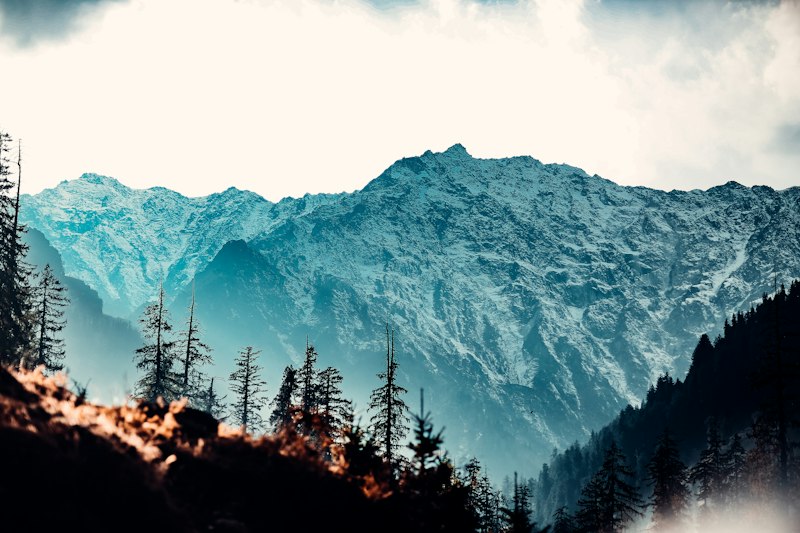
Kalpa (2,960m) sits across the valley from the Kinnaur Kailash range, including the sacred 6,050m Kinnaur Kailash peak with its natural Shivling rock formation at the summit. The views from the Kalpa monastery at dawn — the entire Kailash range glowing pink and gold — are among the finest mountain views in India.
Reckong Peo: The district headquarters, 7 km below Kalpa. Stock up on supplies, fuel, and cash if you're continuing to Spiti.
Nako Lake: If you're driving further toward Spiti, the tiny village of Nako at 3,662m has a sacred lake, an ancient monastery, and an otherworldly landscape of eroded rock formations.
What Makes Kinnaur Special
Kinnaur is where Hindu and Buddhist cultures merge. Almost every village has both a Hindu temple and a Buddhist gompa, and many locals practice both religions. The architecture is unique — houses are built with alternating layers of stone and timber (a technique that makes them earthquake-resistant), with intricately carved wooden balconies and slate roofs.
The Kinnauri people are known for their distinctive green caps (topis), their apple orchards (Kinnaur apples are among India's finest), and their strong local brew — a potent angoori (grape wine) and lugri (rice beer) that fuels every festival and celebration.


