
The Parvati Valley Backpacker Trail: Kasol, Kheerganga & Beyond
Why Parvati Valley is India's Backpacker Capital
The Parvati Valley — a narrow gorge carved by the Parvati River in Himachal Pradesh's Kullu district — has been drawing backpackers since the 1970s. What started as a stop on the hippie trail has evolved into India's most vibrant backpacker scene, centered around the village of Kasol.
But Parvati Valley is much more than Kasol. The valley stretches 50 km from Bhuntar (where the road from Kullu branches off) to the glacial source of the Parvati River, passing through ancient hot springs, sacred Sikh shrines, and villages that feel frozen in time.
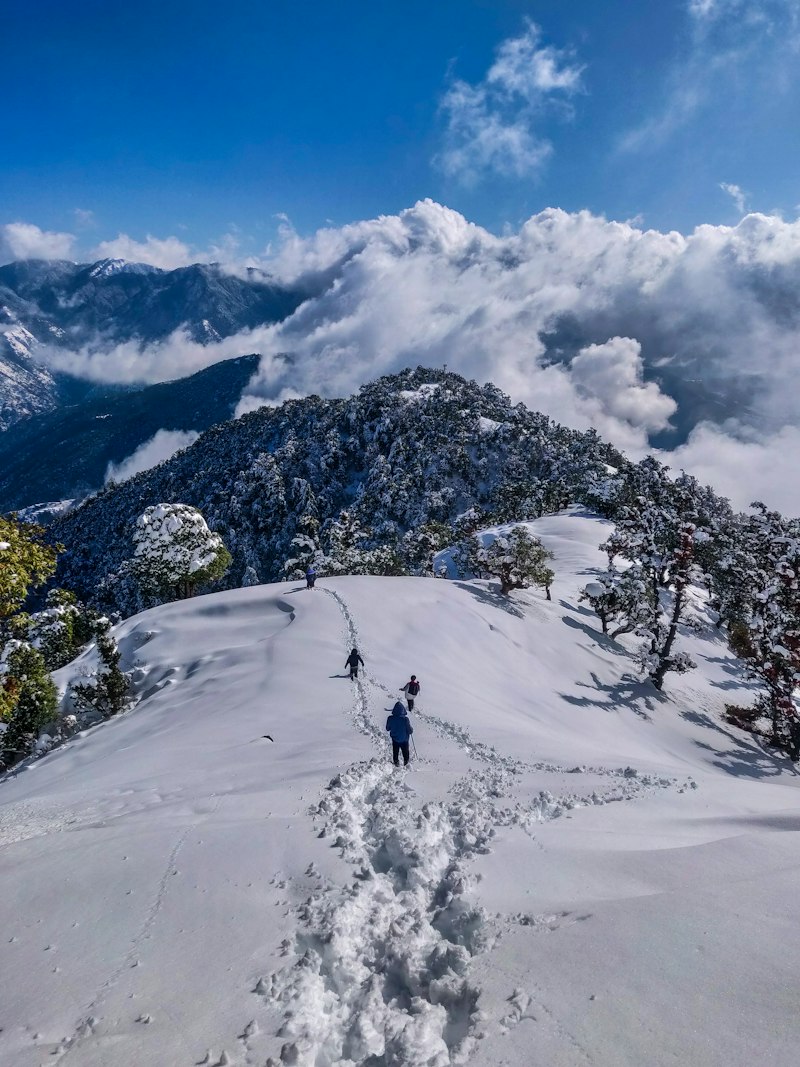
Kasol — The Base Camp
Kasol (1,580m) is a small village on the banks of the Parvati River that has become the de facto hub of the valley. It's walkable end to end in 20 minutes but packs in a remarkable density of cafes, guesthouses, and gear shops.
What to expect: Israeli and Italian restaurants, bakeries selling fresh sourdough, reggae music, adventure tour offices, and a genuinely international vibe. It's not for everyone — purists who want "untouched Himachal" should head further up the valley.
Where to stay:
Best cafes: Jim Morrison Cafe (iconic, if touristy), Evergreen Cafe (best hummus in the valley), Moon Dance Cafe (for the riverside ambiance).
Kheerganga Trek — The Classic
Distance: 12 km one-way from Barshaini | Altitude: 2,960m | Time: 5-6 hours up
The Kheerganga trek is the quintessential Parvati Valley experience. You trek through pine forests, cross rickety bridges, pass small waterfalls, and arrive at a natural hot spring at 2,960 meters with panoramic mountain views. The hot spring pool — surrounded by steaming rocks and prayer flags — is the reward for the climb.
Trail breakdown:
1. Barshaini to Nakthan (3 km): Easy trail along the river through the village
2. Nakthan to Rudranag (4 km): Gradual ascent through dense forest. Rudranag has a small Shiva shrine and waterfall.
3. Rudranag to Kheerganga (5 km): Steeper section with the last km being a proper climb through rocky terrain
Camping: Stay overnight to soak in the hot springs at sunset and sunrise. Tent camps charge ₹500-1,000 per night including dinner and breakfast. Bring a sleeping bag in shoulder season.
Manikaran — Sacred Hot Springs
7 km from Kasol
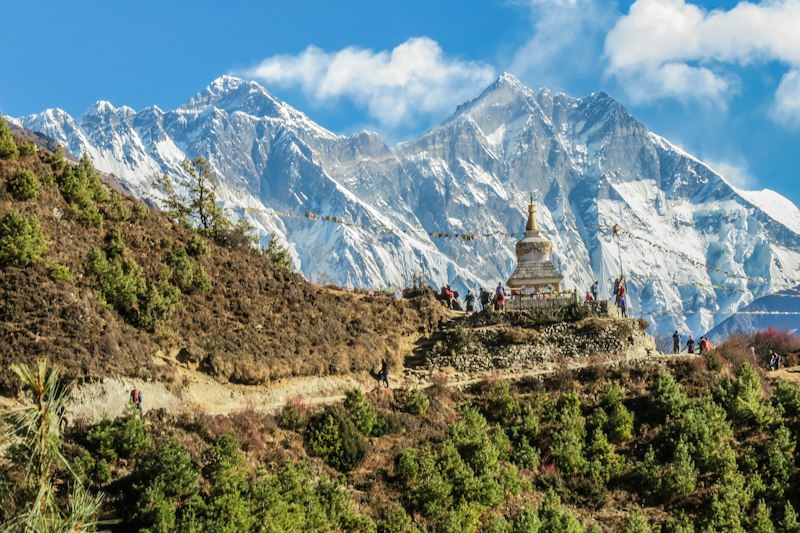
Manikaran is one of the most important pilgrimage sites for Sikhs and Hindus alike. The Gurudwara Manikaran Sahib sits above natural hot springs so powerful that the locals use them to cook rice and dal. The sulfurous water emerges at near-boiling temperature.
What to do: Take a holy dip in the segregated bathing pools, eat langar (free community meal) at the Gurudwara, and visit the Shiva and Rama temples nearby.
Tosh — The Quieter Alternative
Distance from Kasol: 20 km
If Kasol feels too commercialized, head to Tosh. This village at 2,400m offers the same mountain views and cafe culture but with a fraction of the crowds. The village is traditional Himachali with slate-roofed wooden houses, and the views of the Parvati Valley from here are arguably better than anywhere else.
Stay: Pink Floyd Cafe (yes, really) has rooms with views. Several homestays in the village offer authentic local food.
Practical Tips
The Magic of Parvati Valley
There's a reason people keep coming back to this valley. It's not just the mountains or the cafes or the treks — it's the particular quality of light filtering through pine trees onto the river, the sound of the Parvati rushing over boulders at night, and the feeling of being simultaneously connected to a global backpacker community and completely disconnected from the rest of the world.


