
Photographing Himachal Pradesh: A Location Guide for Every Season
A Photographer's Paradise
Himachal Pradesh might be the most photogenic state in India. Within its borders, you'll find snow-capped peaks, emerald valleys, ancient monasteries, colorful prayer flags, dramatic roads, and a quality of light that changes dramatically with altitude and season.
Here's a season-by-season guide to the best photography locations.
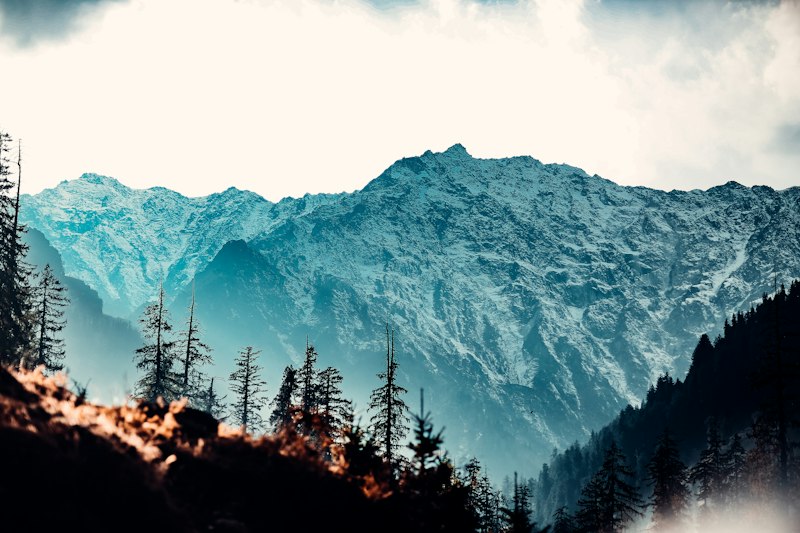
Spring (March–May): Blooms & Snow Melt
Rhododendron Forests, Chopta/Tungnath
The rhododendron forests at 3,000-3,500m explode in red, pink, and white blooms from mid-March to mid-April. Combined with lingering snow on the peaks above, it's a color palette that looks almost artificial.
Best time of day: Early morning for soft light through the forest canopy.
Apple Blossoms, Kinnaur
Late March to April, apple orchards across Kinnaur burst into bloom — millions of white and pink blossoms with snow peaks behind them.
Best location: The road between Sangla and Chitkul.
Prashar Lake
The frozen lake begins to thaw in March, creating dramatic ice patterns around the floating island and the ancient temple.
Summer (June–September): High Altitude Drama
Key Monastery, Spiti
The shot: Sunrise hitting the monastery while the valley below is still in shadow. The golden light on the white-washed walls against blue sky and brown mountains is Spiti's most iconic image.
When: June–September. Be at the viewpoint (across the river) by 5:30 AM.
Chandratal Lake, Lahaul
The shot: The lake reflecting surrounding peaks, with the water shifting from turquoise to emerald as the light changes.
When: June–September. Golden hour (both sunset and sunrise) produces the most dramatic reflections.
Rohtang Pass & Atal Tunnel
The shot: The winding road with hairpin bends ascending toward the pass, tiny vehicles against massive snow walls.
When: June for maximum snow contrast.
Prayer Flags & Monasteries
Summer is the best time for monastery photography throughout Spiti and Lahaul. The combination of blue sky, weathered prayer flags, and whitewashed walls creates striking compositions.

Monsoon (July–August): Moody & Dramatic
Parvati Valley Mist
When monsoon clouds roll into the Parvati Valley, the landscape transforms into a mystical world of mist, rain, and waterfalls. Kasol, Tosh, and Kheerganga in the rain are incredibly atmospheric.
Tip: Protect your gear. Bring rain covers, silica gel packets, and a dry bag.
Waterfalls Everywhere
Monsoon activates hundreds of seasonal waterfalls across the state. Jogini Falls near Manali, Bhagsu Waterfall near Dharamshala, and countless unnamed cascades along every mountain road.
Green Terraces, Kangra Valley
The rice terraces of Kangra Valley in monsoon — lush green steps cascading down hillsides — are stunning from above (Dharamshala viewpoints or drone photography).
Autumn (October–November): Crystal Clarity
Triund Ridge
The shot: The Dhauladhar range at dawn from Triund, with the first light hitting the snow peaks while the valley below is still dark.
When: October–November for the clearest views of the year.
Spiti's Golden Light
Late October transforms Spiti into a landscape of golden-brown tones. The poplars turn yellow, the barley fields are harvested, and the low autumn sun creates long shadows and warm light throughout the day.
Kinnaur Apple Harvest
Red and green apples against the backdrop of snow mountains and blue sky. The orchards around Chitkul and Kalpa are particularly photogenic.
Winter (December–February): Snow & Silence
Shimla Snow
Fresh snowfall on the colonial buildings of Shimla creates a unique fusion of British architecture and Himalayan weather. Christ Church after snowfall is particularly photogenic.
Frozen Spiti
If you can handle the cold (-20°C and below), winter Spiti offers extraordinary images: frozen rivers, snow-covered Key Monastery, ice formations, and star trails in the clearest skies on the subcontinent.


