
Spiti Valley: The Complete Travel Guide for 2026
Why Spiti Valley Belongs on Every Traveler's Bucket List
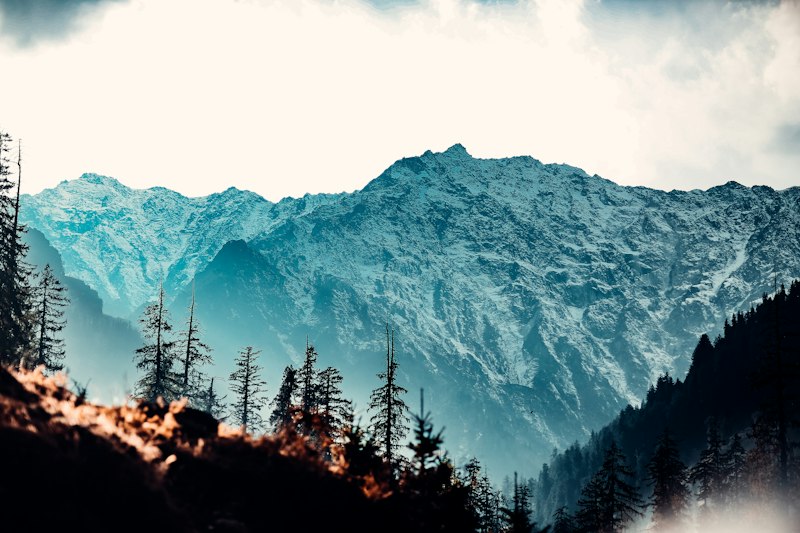
Spiti Valley sits at an average altitude of 12,500 feet in the trans-Himalayan region of Himachal Pradesh. Often called "Little Tibet," this cold desert is one of the least populated regions in India, home to ancient Buddhist monasteries perched on dramatic cliff faces and some of the most otherworldly landscapes on the planet.
Unlike the crowded hill stations of Shimla or Manali, Spiti rewards those willing to endure long, winding roads through some of the highest motorable passes in the world. The payoff? Crystal-clear night skies, turquoise lakes that look photoshopped, and a pace of life that hasn't changed in centuries.
Best Time to Visit Spiti
June to September is the classic Spiti season. The Rohtang Pass opens by late May or early June, and both the Manali–Spiti and Shimla–Spiti routes become accessible.
The Two Routes into Spiti
Route 1: Manali → Spiti (via Rohtang & Kunzum Pass)
Route 2: Shimla → Spiti (via Kinnaur)
Pro tip: Do a loop — enter via Shimla/Kinnaur and exit via Manali (or vice versa) to see both routes.
Must-Visit Places in Spiti
Key Monastery
Perched at 13,668 feet, Key Monastery is the largest and most iconic monastery in Spiti. The multi-storied complex houses around 300 monks and dates back over 1,000 years. Sunrise here — with the monastery glowing golden against snow-covered peaks — is remarkable.
Chandratal Lake
The "Moon Lake" sits at 14,100 feet and changes color throughout the day — from turquoise to deep emerald. It's a 14 km trek from Kunzum Pass or accessible by a rough road. Camping beside Chandratal under a blanket of stars is a rite of passage for Spiti travelers.
Dhankar Monastery & Lake
Dhankar was once the capital of Spiti. The crumbling monastery perched on a cliff spur above the Spiti and Pin River confluence is straight out of a fantasy novel. A 2 km hike above the monastery leads to the hidden Dhankar Lake.
Hikkim
Home to the world's highest post office at 14,400 feet. Yes, you can send a postcard from here — it'll arrive home weeks after you do, but it's the coolest postmark you'll ever get.
Langza
A tiny village at 14,500 feet famous for its giant Buddha statue overlooking the valley. Langza is also a prime fossil-hunting ground — the area was once an ancient seabed, and you can find ammonite fossils scattered on the ground.
Pin Valley National Park
India's only cold desert national park, home to the elusive snow leopard, Himalayan ibex, and the rare Pin Valley rose.

Permits & Essentials
Where to Stay
Spiti has embraced homestays over hotels, and that's a good thing. Staying with local families gives you authentic Spitian food (thukpa, momos, butter tea) and real connection with the culture.
Budget Breakdown
|------|---------|-----------|
Total: ₹1,500–2,500/day on a budget, ₹3,500–7,000/day mid-range.
The Bottom Line
Spiti isn't a destination you "do" in a weekend. It demands time, patience, and a willingness to disconnect. The roads will test your nerves, the altitude will test your lungs, and the beauty will break your heart. Go slow, respect the fragile ecosystem, and let the valley work its magic on you.


