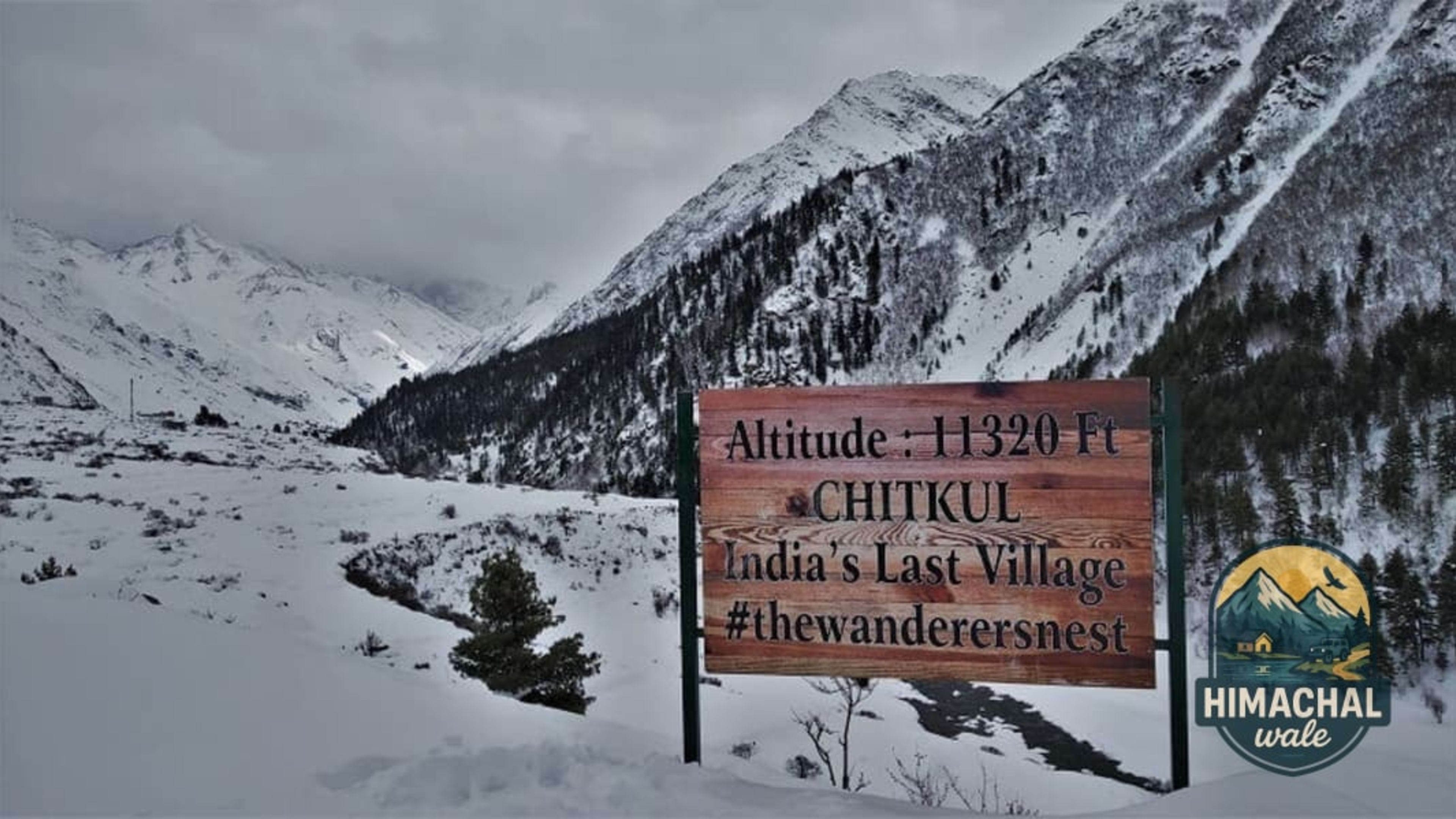
Surviving Winter in Spiti — What Nobody Tells You About the Frozen Valley
The Last Bus Out
Every October, the last HRTC bus crawls over Kunzum Pass before the snow seals it shut for six months. The passengers on that bus — mostly labourers, students heading to hostels in Manali, a few government employees on transfer — know something the summer tourists don't: that Spiti in winter is a completely different country.
The 12,445 people who stay behind will not see a fresh vegetable until May. The river — a roaring grey torrent in July — becomes a silent ribbon of turquoise ice. At night, temperatures drop to -30°C. The stars are so sharp they feel like they could cut you.
The Economics of Isolation
Before the roads close, every household in Kaza stockpiles. Sacks of atta, rice, and tsampa (roasted barley flour) line the walls. Dried yak meat hangs from rafters. Turnips and potatoes are buried in underground cellars where the earth's warmth keeps them just above freezing. Cooking oil is bought in 15-litre cans. Salt, sugar, tea — everything calculated for 180 days.
The local shopkeepers in Kaza bazaar triple their inventory in September. A 10kg sack of onions that costs ₹200 in Manali goes for ₹600 here by November. By February, if the stocks run low, a helicopter might come — but only if the weather allows, and only for medical emergencies.
Ice Highways and Chadar Walks
When the Spiti River freezes completely — usually by late December — it becomes a highway. Villagers from Kibber, Chicham, and Langza walk on the frozen river to reach Kaza, since the mountain roads are buried under 8 feet of snow. Children walk to school on ice. Yaks are led across the frozen surface, their hooves crunching through the top layer.
This is not adventure tourism. This is commuting.
The Monk's Calendar
At Key Monastery, perched at 4,166 metres above Kaza, the 300 monks follow a winter rhythm unchanged for centuries. Morning prayers begin at 5 AM in a hall heated only by body warmth and butter lamps. The younger monks — some as young as six — wrap themselves in maroon robes layered over thermal underwear donated by visiting NGOs.
The monastery kitchen runs on a massive clay oven that burns dried yak dung. The monks eat tsampa porridge with butter tea for breakfast, thukpa (noodle soup) for lunch, and rice with dal for dinner. Meat is eaten sparingly — the Buddhist practice of compassion extends even to survival, though pragmatism wins in the deepest cold.
Losar: New Year on Frozen Ground
Spiti celebrates its own Losar (New Year) in mid-winter, around November-December — different from the Tibetan Losar in February. Every household brews chhang (barley beer) and arak (distilled spirit). The village gathers in the community hall. Traditional Buchen lamas from Pin Valley perform masked dances telling stories of Padmasambhava. The dances are wild, almost frightening — nothing like the sanitized versions tourists see at summer festivals.
After the ceremonies, the entire village eats together. Mutton momos, steamed in stacked bamboo baskets. Butter tea poured from copper kettles. And always, always chhang — because in Spiti, you don't refuse a drink. It's not hospitality. It's survival protocol.
The Spring Thaw
By April, the ice begins to crack. The sound carries for kilometres — a deep, prehistoric groaning, like the valley is waking up. The first truck over Kunzum Pass, usually in late May or early June, is greeted like a liberating army. It carries bread, eggs, vegetables, mobile phone batteries, and news from the outside world.
The 2019 opening was on June 2nd. The 2020 opening was delayed until June 18th because of unusually heavy late-season snow. Every year is different. Every year, the people of Spiti wait.
If you want to understand Himachal Pradesh — really understand it, not just Instagram it — come to Spiti in December. Stay a week. Feel what isolation actually means. It will change how you see every mountain road, every warm room, every fresh tomato, for the rest of your life.


